Waymo Opens Fully Driverless Rides in Nashville With Lyft Fleet Partnership — Its 11th U.S. City
Waymo launched public robotaxi service in Nashville on April 7, deploying its sixth-generation Ojai platform across a 60-square-mile zone with Lyft's Flexdrive subsidiary handling fleet operations and charging infrastructure.
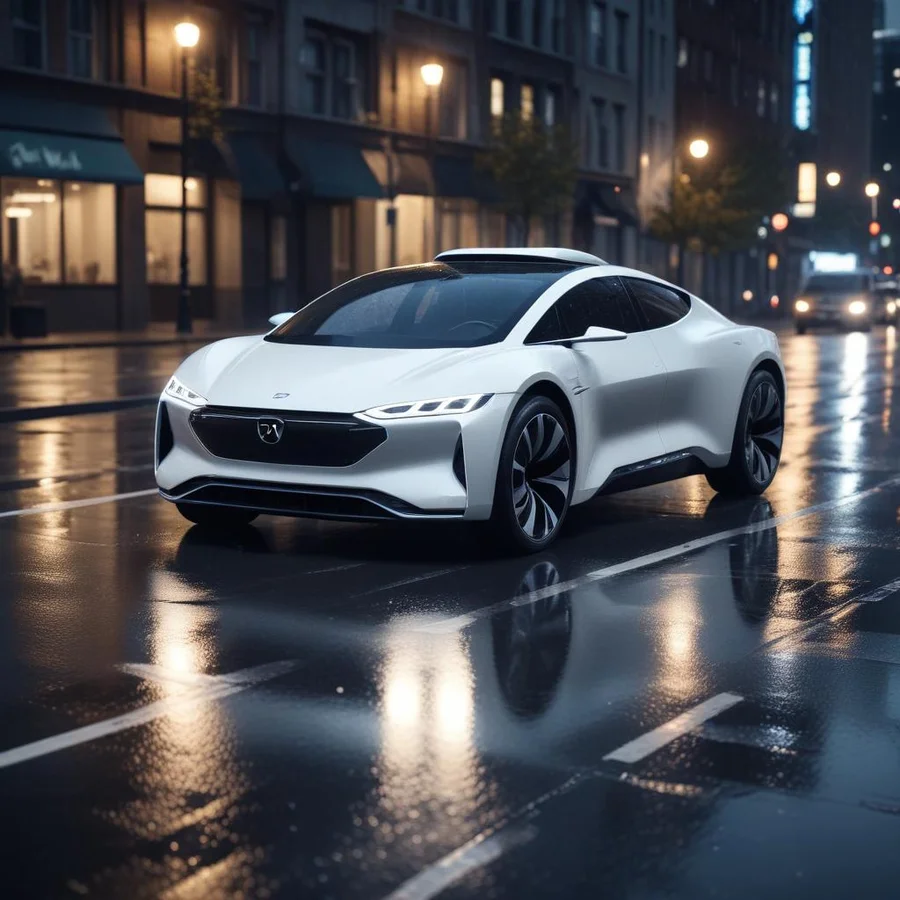
Waymo is now running fully driverless public rides in Nashville. The company launched commercial robotaxi service in the Tennessee capital on April 7, making it the 11th U.S. city where any member of the public can hail a Waymo vehicle without a safety driver behind the wheel.
The Nashville deployment uses the sixth-generation Ojai platform — Waymo’s latest hardware revision, which packages the sensor suite into a lower-profile roof unit and reduces per-vehicle manufacturing costs compared to the fifth-generation hardware used in earlier markets. The service zone covers 60 square miles, encompassing downtown, Midtown, The Gulch, East Nashville, and corridors connecting to the major entertainment and business districts.
The Lyft partnership is the more structurally interesting development. Rather than building its own Nashville fleet operations from the ground up, Waymo is working with Lyft’s Flexdrive subsidiary to handle vehicle storage, charging, cleaning, and maintenance. It is the most operationally integrated Lyft deal Waymo has announced — Flexdrive does not just dispatch the cars, it manages the physical fleet infrastructure. For Lyft, which has been searching for a meaningful role in the autonomous vehicle transition since selling its self-driving division to Toyota in 2021, this is a credible answer to what its business looks like when drivers are optional.
Nationally, Waymo is now delivering more than 500,000 paid rides per week across all markets. San Francisco and Phoenix together still account for the bulk of that volume, but Austin, Los Angeles, and Atlanta have all shown growth trajectories that suggest Nashville is not entering a saturated landscape — it is entering a rapidly scaling one.
The competitive context matters here. Tesla is continuing to promise a robotaxi network tied to its Full Self-Driving hardware. Cruise has not relaunched following its 2023 safety incident. Amazon’s Zoox is operational in limited zones but has not opened commercial rides to the public. Waymo’s nearest real competition at this moment is Baidu’s Apollo Go in China, which is irrelevant in a U.S. city launch. Waymo is, in practical terms, running the only commercial fully autonomous taxi service at scale in America.
Nashville is also a data point in the geographic diversification thesis. Early Waymo deployments were concentrated in the Sun Belt — flat terrain, clear skies, low precipitation. Nashville has actual weather: ice storms in winter, heavy summer thunderstorms, variable road conditions. Each city Waymo adds in a different climate zone generates training data that makes the system more robust everywhere.
The question autonomous vehicle optimists have been asking for five years — when does this actually become a real service you can rely on? — has a clearer answer today than it had in 2024. Not everywhere. Not at full city coverage. But real enough that Nashvillians can now open a map and hail a car with no one in the driver’s seat.
Related reading
- Hardware Pony.ai Debuts World's First L4 Autonomous Light Truck at Auto China 2026 — 40% Cheaper Than Human Drivers
- AI Tools Volkswagen MOIA and Uber Launch Autonomous ID. Buzz Robotaxi Tests in Los Angeles — 1,000 Vehicles Planned
- Big Tech Tesla Launches Unsupervised Robotaxi in Miami, Skipping the Safety-Monitor Phase Entirely