Volkswagen MOIA and Uber Launch Autonomous ID. Buzz Robotaxi Tests in Los Angeles — 1,000 Vehicles Planned
Volkswagen's MOIA and Uber have started road testing 10 autonomous electric VW ID. Buzz microbuses in Los Angeles, with commercial Uber rides targeted for late 2026. The Mobileye-powered fleet aims to scale to 1,000+ vehicles ahead of the 2028 Olympics, positioning it as a direct challenge to Waymo.
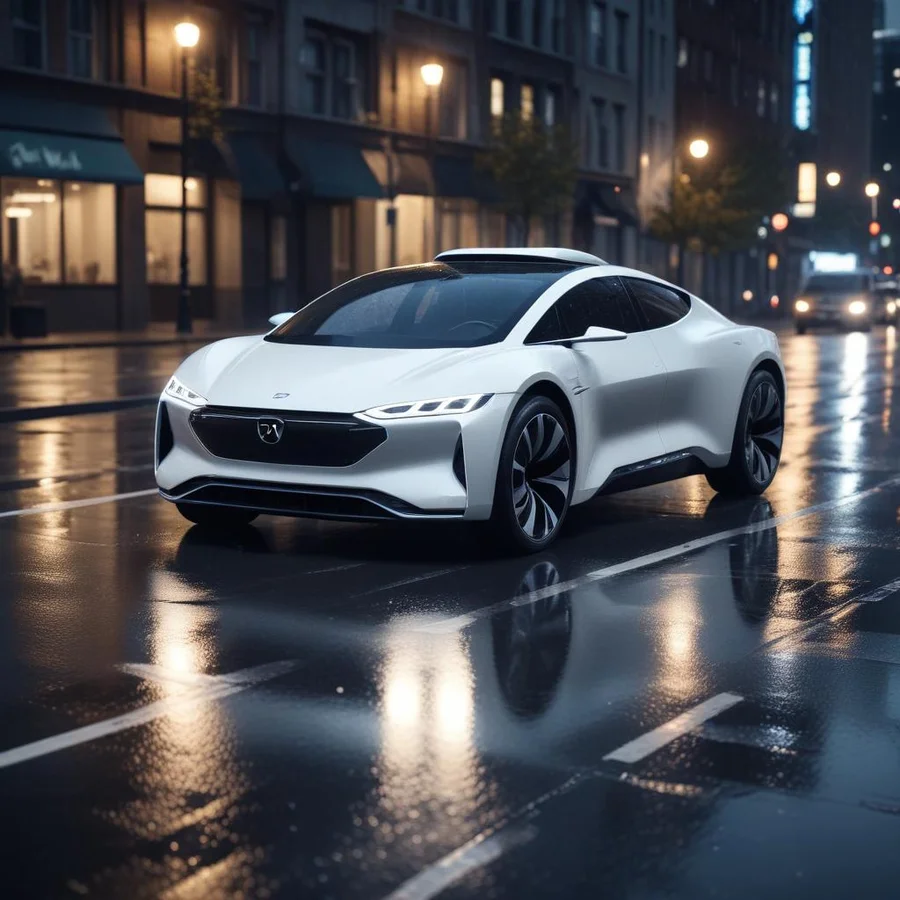
Volkswagen’s MOIA America unit and Uber have begun public road testing of autonomous VW ID. Buzz electric microbuses on Los Angeles streets. Ten vehicles are currently in testing, each staffed with a human safety operator. Commercial rides bookable through the Uber app are targeted for late 2026, with fully driverless operation — no safety driver — planned for 2027.
The scale commitment is what makes this significant: MOIA plans 500+ vehicles operating in Los Angeles by Q3 2027, expanding to 1,000+ vehicles across additional U.S. cities. That deployment timeline is strategically aligned with the 2028 Los Angeles Olympics.
The Sensor and Software Stack
Each ID. Buzz autonomous variant carries 27 sensors: 13 cameras, 9 LiDAR units, and 5 radars. The autonomy software is Mobileye Drive — Mobileye’s production-grade self-driving platform that separates the primary driving system from a separate safety redundancy system, each capable of bringing the vehicle to a safe stop independently.
Mobileye’s approach differs from in-house robotaxi stacks. They supply the same core sensing and perception technology used in ADAS systems on tens of millions of production vehicles, scaled up to full autonomy. The separation of the primary and redundant systems is designed for regulatory approval in jurisdictions that require demonstrated safety fallback mechanisms.
Why This Matters for the Waymo Monopoly
Waymo has operated commercial robotaxi service in San Francisco and Phoenix for years and has accumulated a genuine lead in operational miles, safety data, and regulatory approvals. No competitor has yet scaled to match it commercially.
MOIA-Uber changes the competitive equation with a combination that Waymo cannot easily replicate: Volkswagen’s manufacturing capacity, Uber’s 131 million active monthly users and dispatch infrastructure, and Mobileye’s proven sensor hardware. Waymo builds everything in-house. This partnership distributes the stack across three organizations that are each world-class in their domain.
The ID. Buzz form factor — a premium electric microbus — is also a deliberate product decision. It targets groups, airport runs, and event transport, which aligns with Uber’s highest-margin ride categories and the Olympics use case specifically.
The Commercial Logic
Uber has been pursuing autonomous partnerships aggressively after its acquisition of self-driving unit Otto and subsequent sale of the Uber ATG division taught them that building autonomy in-house is prohibitively expensive. The MOIA partnership follows a similar structure to their existing arrangement with Waymo — Uber provides dispatch, pricing, and the customer relationship; the autonomy partner provides the vehicle and software.
The difference is scale ambition. One thousand vehicles across multiple cities by 2028 would make this the largest announced autonomous fleet commitment outside of Waymo. Whether the deployment timeline holds is a separate question — no robotaxi program has ever shipped on its announced schedule — but the operational infrastructure to attempt it is now being assembled in LA.
Related reading
- Hardware Pony.ai Debuts World's First L4 Autonomous Light Truck at Auto China 2026 — 40% Cheaper Than Human Drivers
- Big Tech Uber Bets $10 Billion on Robotaxis — Without Building a Single Self-Driving Car
- Big Tech Waymo Opens Fully Driverless Rides in Nashville With Lyft Fleet Partnership — Its 11th U.S. City