SpaceX Defies Its Lockup Expiry: A Billion Shares Unlock and the Stock Rises 6% Anyway
Nearly one billion insider and employee shares — about 20% of SpaceX — became eligible for sale on August 6, and the stock climbed 6% instead of falling. A decade of semiannual buybacks meant insiders had no pent-up urge to cash out.
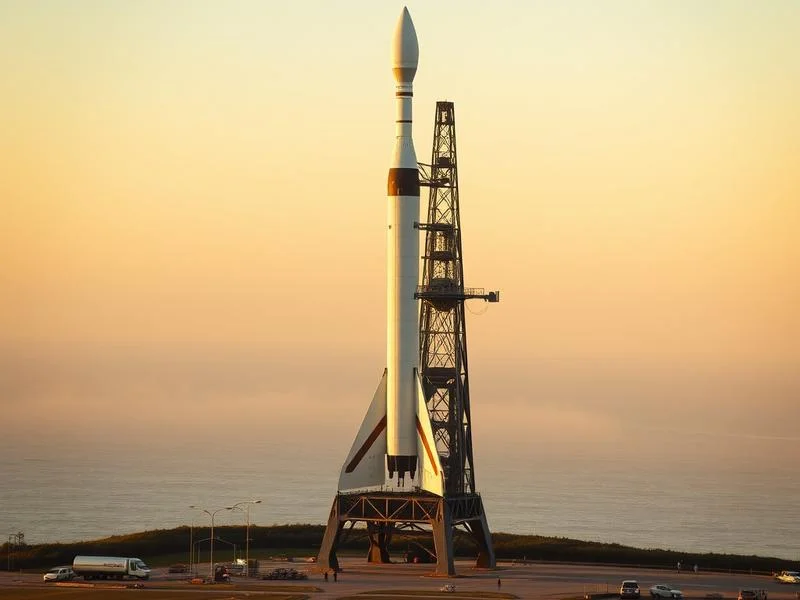
SpaceX just passed the most feared milestone of any newly public company — and passed it going up. On August 6, nearly one billion insider and employee shares, roughly 20% of the company, became eligible for sale as the post-IPO lockup expired. Textbook market mechanics say a supply wave that size should hammer the price. Instead, SpaceX stock steadied, then jumped 6%.
The setup explains part of it. “The stock’s been down almost every day for the last three or four weeks,” analyst Gil Luria noted — investors had spent a month front-running the unlock, selling ahead of the expected flood. When the flood didn’t come, the shorts and the sidelined buyers had to reverse course. A priced-in catastrophe that fails to materialize is functionally good news.
But the more interesting explanation is structural, and it’s a lesson for every late-stage private company. SpaceX ran semiannual tender offers and buybacks for roughly a decade before going public. Employees and early insiders who wanted liquidity got it — twice a year, at steadily rising valuations. By the time the lockup expired, there was no dam of desperate sellers waiting to burst. Compare that with the classic 2019–2021 pattern, where lockup expiries at companies like Uber triggered double-digit single-day drops from employees who had waited years for their first chance to sell.
The episode also says something about where investors think SpaceX is headed. Shareholders sitting on massive paper gains chose to keep holding a company whose valuation already assumes Starship scales, Starlink keeps compounding, and the AI-infrastructure side bets pay off. SpaceX has been pouring billions into AI infrastructure alongside Tesla’s Terafab chip fab project — capital-intensive moves that only make sense if you believe launch cadence and satellite bandwidth become the backbone of a much larger computing story. Insiders declining to sell at these levels is a quiet vote of confidence in that thesis.
There’s a governance angle worth watching too. With 20% of shares now free-floating and more unlocking on schedule, SpaceX’s investor base will gradually shift from hand-picked institutions and employees toward index funds and retail. That means more scrutiny of the things private SpaceX never had to explain — Starlink’s actual margins, Starship’s per-launch economics, related-party transactions with Elon Musk’s other ventures.
For now, the market verdict is unambiguous. The most anticipated selling event in the company’s public life arrived, and buyers outnumbered sellers. Every pre-IPO unicorn watching from the sidelines just learned the same lesson: liquidity programs before the IPO buy you calm after it.