SpaceX Files Confidentially for IPO Targeting $1.75 Trillion Valuation and June Listing
SpaceX submitted a confidential IPO registration to the SEC on April 1, targeting a June 2026 public offering that could raise up to $75–80 billion — more than double the previous record held by Saudi Aramco. The filing follows SpaceX's February merger with Elon Musk's xAI.
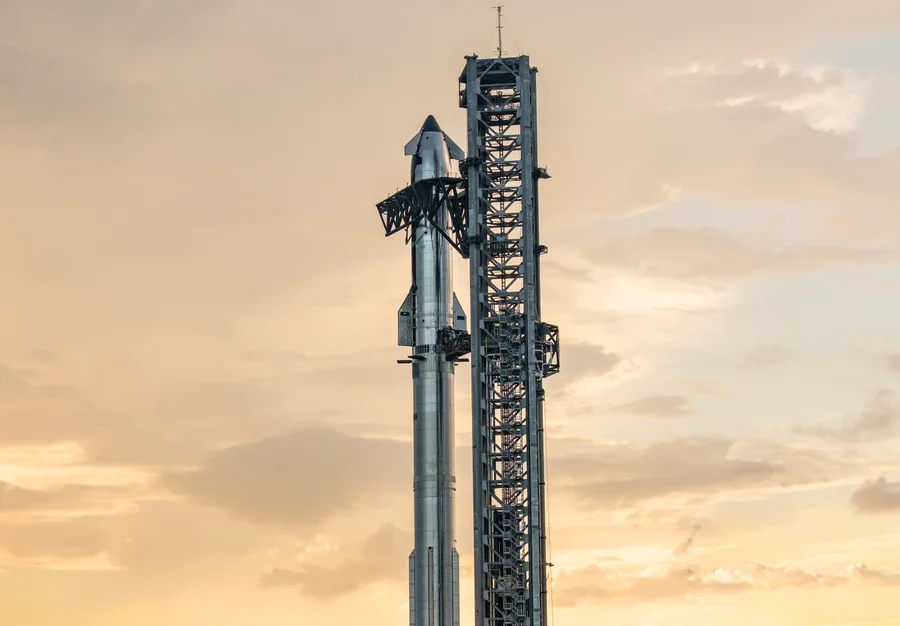
SpaceX submitted a confidential draft IPO registration to the U.S. Securities and Exchange Commission on April 1, 2026, according to reports from Bloomberg and CNBC. The company is targeting a June listing at a valuation exceeding $1.75 trillion, which would make it the largest IPO in U.S. history — and potentially in world history.
Why This Is Unprecedented
The previous record U.S. IPO is Saudi Aramco’s $29 billion debut in 2019. SpaceX is reportedly looking to raise $75–80 billion, more than two and a half times that figure. At $1.75 trillion, the company would list at a valuation larger than Tesla, Amazon, and Alphabet — individually.
The confidential filing process allows SpaceX to submit its draft S-1 registration statement to the SEC for review without immediate public disclosure. Companies using this route must file publicly at least 15 days before an investor roadshow. Investor briefings with institutional buyers are reportedly scheduled for April.
What Drives the Valuation
Starlink is the engine. The satellite internet service ended 2025 with 9.2 million subscribers and over $10 billion in annual revenue. Analysts project that figure could reach $24 billion by end of 2026. Starlink’s subscriber growth, operating margins, and global expansion — including recent service agreements with governments in Africa and Southeast Asia — form the core of the valuation case.
The xAI merger is the other major factor. SpaceX and Elon Musk’s artificial intelligence company xAI completed a merger in February 2026, creating a combined entity Musk valued at $1.25 trillion at the time. xAI contributes under $1 billion in current revenue but adds the strategic AI narrative that investors are pricing aggressively.
Rocket launches (Falcon 9, Falcon Heavy, Starship) generate the remaining revenue base, approaching $20 billion annually when combined with Starlink.
Structure and Underwriters
The offering may include a dual-class share structure granting Musk and insiders enhanced voting control — a mechanism used by Google, Meta, and Snap to let founders retain strategic control post-IPO. Up to 30% of shares may be allocated to individual retail investors, an unusually high percentage for a listing of this size.
The banking consortium leading the deal: Bank of America, Citigroup, Goldman Sachs, JPMorgan Chase, and Morgan Stanley. International banks will manage regional order books.
Strategic Timing
SpaceX is filing ahead of two other high-profile tech IPO candidates: OpenAI and Anthropic. Being first to market matters — it captures investor capital before competitors can compete for the same institutional allocations, and sets valuation precedents for the AI/space category.
What Could Go Wrong
The xAI valuation multiple is the biggest risk. At $1.75 trillion, the market is pricing significant future AI revenue that does not yet exist at scale. If Grok’s growth or enterprise adoption disappoints post-IPO, the combined entity’s valuation has limited fundamental support beyond Starlink’s actual cash flows.
Regulatory scrutiny of Musk’s government relationships — SpaceX holds significant U.S. Defense and NASA contracts — could complicate the S-1 review process, particularly given ongoing political friction in Washington.
If the June timeline holds, this will be the defining public market event of 2026.