SpaceX Files S-1 for $1.75 Trillion IPO — Ticker SPCX, Nasdaq Debut June 12
SpaceX's S-1 reveals $18.7B in 2025 revenue, a $4.9B net loss, Starlink as the profit engine, and Elon Musk controlling 42.2% of votes. The company targets a $75B raise at a $1.75T valuation.
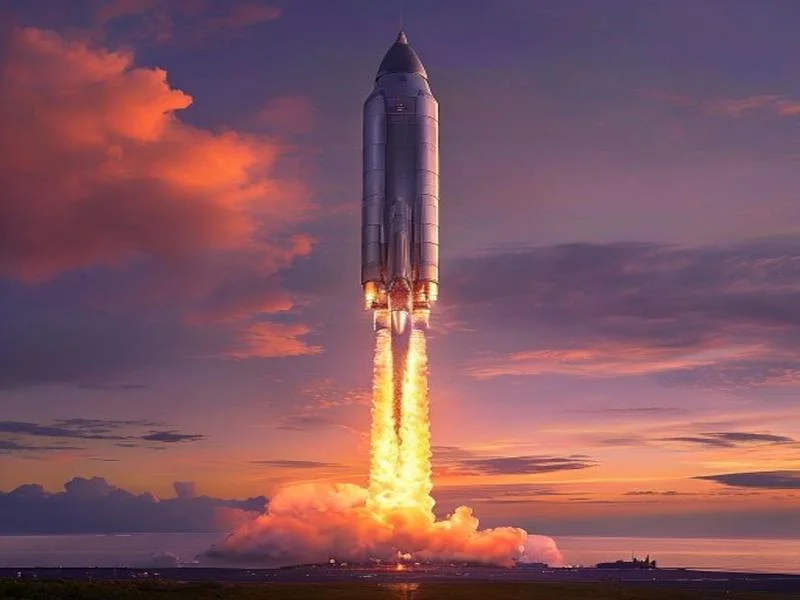
SpaceX filed its S-1 with the SEC on May 20, 2026, beginning the formal process toward what could be the largest IPO in corporate history. The company targets a Nasdaq listing under ticker SPCX with a June 12 debut and aims to raise up to $75 billion at an implied valuation approaching $1.75 trillion.
The S-1 reveals a business with enormous ambition and a complicated balance sheet. SpaceX reported $18.7 billion in 2025 revenue — a 33% year-over-year increase — but also booked a $4.9 billion net loss and a $2.6 billion operating loss for the same period. Revenue is growing fast. Expenses are growing faster, at 64% year-over-year.
Starlink drives the business. The Connectivity segment — almost entirely Starlink — generated $11.4 billion in 2025, about 61% of the company’s total. Starlink has 10.3 million subscribers as of March 2026 and was the only segment profitable at the operational level last quarter.
Two other segments fill out the picture. The Space segment — Falcon 9, Falcon Heavy, Crew Dragon, Starship — accounted for $4 billion. Most surprisingly, an AI division comprising the recently merged xAI contributed $3.2 billion. For a company built on rockets, that’s a meaningful slice. Elon Musk’s decision to fold xAI into the SpaceX legal entity just months before filing has antitrust lawyers paying attention: the S-1 discloses that Musk controls 42.2% of voting shares and sits on no governance-limiting board committees.
The underwriting syndicate is heavyweight: Goldman Sachs, Morgan Stanley, BofA, Citi, and JPMorgan share the mandate. The marketing roadshow is expected to begin around June 4, with pricing the week of June 11. SpaceX lists $29.1 billion in long-term debt as of March 2026 — a figure the IPO proceeds would not fully retire.
Institutional demand is expected to be strong. Starlink’s broadband-from-orbit moat is genuinely difficult to replicate. No competitor has the launch cadence to match it. The AI segment valuation math is harder to defend — xAI is folded in at a moment when private AI company multiples are compressing. Wall Street will need to decide how much of the $1.75 trillion target reflects rockets and satellites versus Musk’s other bets.
The S-1 lists a total addressable market of $28.5 trillion — a number that requires believing SpaceX colonizes Mars, dominates global broadband, and builds competitive frontier AI models simultaneously. Some of that will happen. Not all of it. Investors will price accordingly.
The company is reportedly reserving a portion of IPO shares for retail investors ahead of the public listing, per CFO Sarah Friar. That move, combined with the retail-friendly $0 IPO fee structure at the Nasdaq Texas tier, signals SpaceX wants broad public participation rather than a tight institutional float.
For now, the filing is out, the process has started, and the IPO calendar just got a lot more interesting.