Uber Opens London Waitlist for Wayve Robotaxis — Driverless Rides Coming This Summer
Uber launched a public interest list on June 8 for its Wayve-powered autonomous vehicle service in London, the first public robotaxi signup in UK history. The launch puts Uber and Wayve in direct competition with Waymo, which is also targeting London for a driverless rollout in Q3 2026.
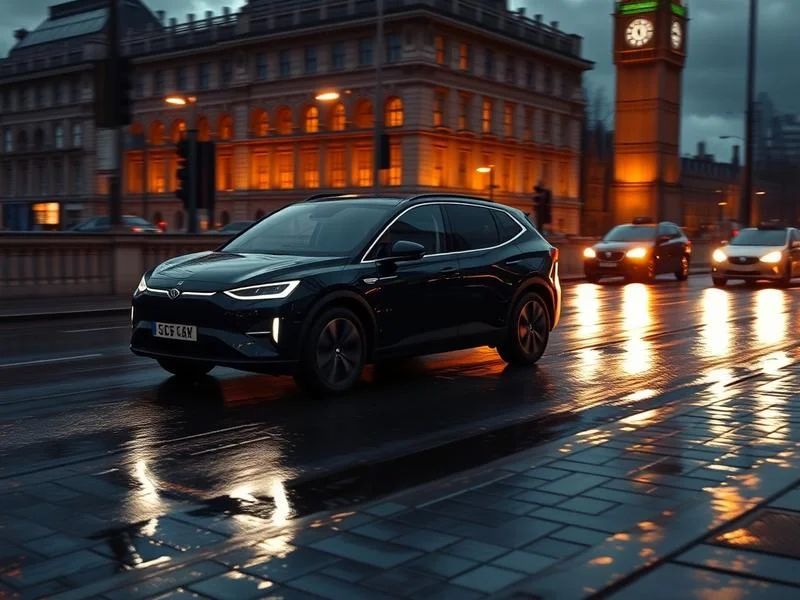
Uber opened a public waitlist on June 8 for autonomous vehicle rides in London through its partnership with Wayve, marking the first time British consumers can officially queue up for a commercial robotaxi service. The sign-up is live inside the Uber app under Ride Preferences → Autonomous Vehicles → Join interest list.
The vehicles are electric Ford Mustang Mach-Es equipped with cameras, radar, and Wayve’s end-to-end AI driving software — the same model-based approach that has trained on footage from London’s notoriously complex street network. A trained safety operator will be present behind the wheel at launch. Uber and Wayve declined to specify when the vehicles will go fully driverless, but the UK’s Automated Vehicles Act 2024 creates a regulatory pathway for unsupervised operation once a manufacturer meets the Department for Transport’s safety standards.
Pricing will match standard Uber fares — no premium for the autonomous option, which is a deliberate choice. Uber has consistently bet that robotaxis win on cost parity first and then on cost advantage as the fleet scales.
The timing is pointed. Waymo, which Alphabet spun out as a standalone business, has said it plans a Q3 2026 London launch and has signaled its cars may operate without a safety driver from day one. That would be a significant differentiation: a fully unmanned Waymo versus a Wayve with a safety operator in the seat. If Waymo delivers on that claim, the comparison will be uncomfortable for Wayve regardless of how good the underlying technology is.
London is a particularly hard proving ground. The city’s density, double-decker buses, cyclists weaving through bus lanes, and the unpredictability of roundabouts at rush hour make it one of the most challenging urban AV environments in the world. Wayve’s pitch is that its end-to-end model generalizes better than rule-based systems precisely because it was trained on this kind of complexity.
The practical upshot for early adopters: rides will be available “in the coming months” pending regulatory sign-off. The waitlist is purely an interest list for now — no booking, no fare, no date. But the public nature of the sign-up is a signal that commercial operations are closer than test-only pilots. For the UK autonomous vehicle industry, this is a visible milestone: paying passengers, commercial pricing, a major ride-hailing platform. That combination hasn’t existed here before.