Tesla and SpaceX Are Putting $16.8B Into Terafab, a 100 Million Sq Ft Chip Plant in Rural Texas
Musk's two companies confirmed Grimes County, Texas as the site for Terafab, a fab combining logic, memory, packaging, and test under one roof. The first phase is $16.8 billion; total spend across phases could reach $119 billion.
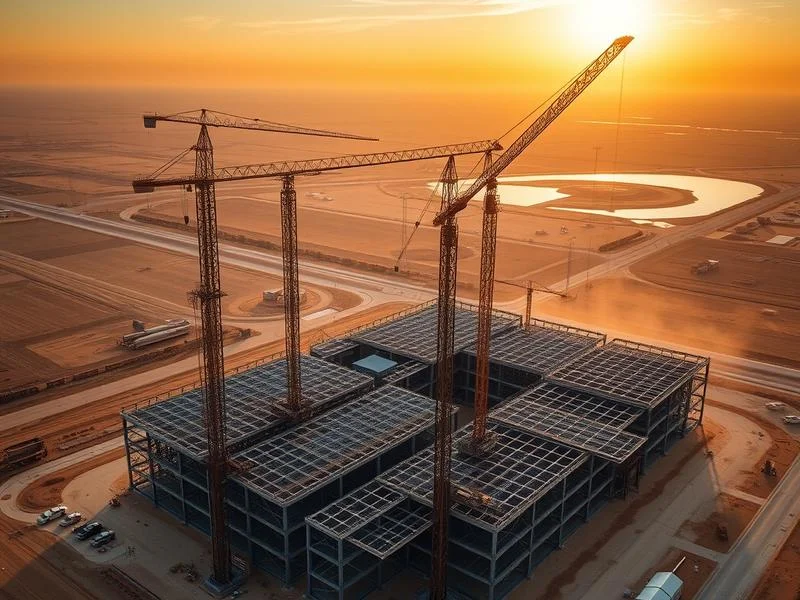
Tesla and SpaceX confirmed this week that Terafab, their jointly funded semiconductor plant, will be built in Grimes County, Texas — about an hour northwest of Houston. First-phase investment is $16.8 billion. SpaceX has indicated total spending across all phases could reach $119 billion.
The finished site is planned at more than 100 million square feet. Elon Musk called it “the largest and most valuable building on Earth by far,” and on floor area he isn’t exaggerating — that’s roughly four times the footprint of the largest existing semiconductor campuses. At least 3,000 people from Grimes and neighboring Brazos County are expected to work there.
What makes Terafab unusual isn’t the size. It’s the scope. The plant is designed to combine logic fabrication, memory, advanced packaging, and test in a single facility. Nobody does that. TSMC fabs logic and ships wafers to separate packaging sites. Samsung and SK Hynix run memory as its own business with its own fabs. The industry disaggregated these steps decades ago because each has different capital cycles, different yield economics, and different specialist labor.
Musk’s bet is that re-integrating them collapses the logistics and qualification delays between steps — which, when you are building chips for Optimus humanoids, Cybercabs, and the compute payloads SpaceX wants to put in orbit, is the actual bottleneck. Terafab is aimed at edge inference silicon, not datacenter training parts. Vertical integration makes far more sense when you are the only customer and you control the architecture end to end.
Intel has committed to contributing to the project, though what that means in practice is unclear. Process technology, tooling, staff, equity — none of it has been detailed. Given Intel’s foundry position, any of those would be significant.
Two things worth watching. Water: the site sits on the Gibbons Creek Reservoir, which used to cool a coal plant that shut down in 2018. SpaceX says it will draw from the reservoir rather than local groundwater — a direct answer to the objection that has stalled fabs and datacenters everywhere from Arizona to India. Repurposing a dead power plant’s cooling reservoir is a genuinely smart siting choice.
And local politics: the announcement followed a packed county meeting where residents pressed on tax incentives and transparency. Grimes County has fewer than 30,000 people. A 3,000-job facility is transformative and disruptive in roughly equal measure, and the school district has already flagged what it expects to gain.
The number that should temper enthusiasm is the timeline nobody stated. Greenfield fabs take four to six years from groundbreaking to volume production, and this one is attempting four disciplines at once. $16.8 billion is the down payment on something that won’t produce a chip this decade’s first half.