AI Demand Triggers a Chip Price Spiral: TSMC, Samsung, and Qualcomm All Raise Prices as Intel Revives DDR4
DDR4 has crossed $4 per Gb, TSMC's 2nm wafers sit near $30,000, and Samsung is doubling its 2nm customer base. The AI boom is now squeezing every layer of the chip supply chain.
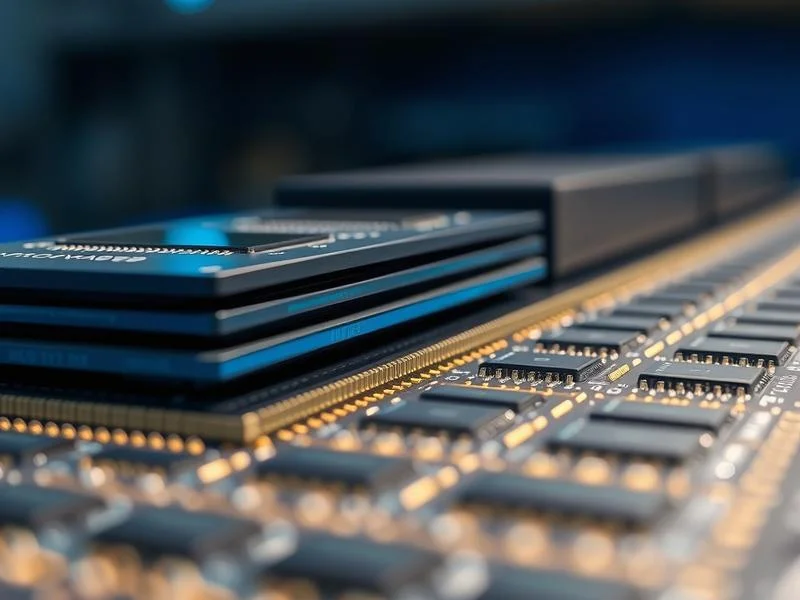
The AI buildout has turned into a chip price spiral, and this week’s roundup from Digitimes lays out just how far it’s spreading. TSMC’s 2nm wafers are now priced around $30,000 apiece — a 10-20% premium over 3nm — and the foundry has told customers to expect 3-10% price hikes on sub-5nm nodes every year through 2029. Capacity is booked solid through the end of 2026.
Samsung is capitalizing on the squeeze rather than fighting it. The company expects its 2nm project wins to more than double in 2026, fueled by a five-year, $200 billion partnership with Broadcom announced in July covering 2nm foundry work and next-generation HBM. Samsung is explicitly positioning itself as the overflow valve for AI and HPC customers who can’t get a TSMC slot.
Memory is where the pain is most visible to consumers. DDR4 prices have climbed above $4 per Gb as fabs redirect wafer capacity toward the DDR5 and HBM that AI accelerators need, starving the legacy market. Taiwanese suppliers like Nanya Technology are regaining pricing power they haven’t had in years simply because DDR4 supply has gotten scarce enough to matter again.
Intel’s response is almost counterintuitive: it’s reviving DDR4-compatible CPUs. Limited shipments started in June, with volume deliveries expected in September, aimed squarely at China’s Singles’ Day and Double 12 shopping seasons where budget PC buyers can’t absorb DDR5 pricing. It’s a bet that cheap silicon paired with expensive-but-available memory beats waiting for DDR5 costs to normalize.
Qualcomm is passing costs straight through — raising chip prices across its lineup as rising input costs and tightening supply ripple through the mobile chain. Xiaomi has already responded by raising flagship phone prices, citing memory and chip costs directly. Chinese memory maker CXMT is meanwhile closing in on LPDDR6 mass production, a direct challenge to Samsung and SK Hynix that could eventually add supply — but not in time to help this cycle.
The through-line: every dollar of AI capex from hyperscalers is now visibly reshaping consumer electronics pricing, six months to a year downstream. If you’re shipping hardware-dependent products in 2026, budget for this — it isn’t a blip.