TSMC Is Reportedly Building EMIB-Style Chip Packaging to Break Intel's Last Advantage
TSMC is developing packaging tech comparable to Intel's EMIB with Taiwan's Kinsus Interconnect, while Nvidia separately evaluates Intel's own EMIB for a future chip. Intel and TSMC shares both jumped on the report.
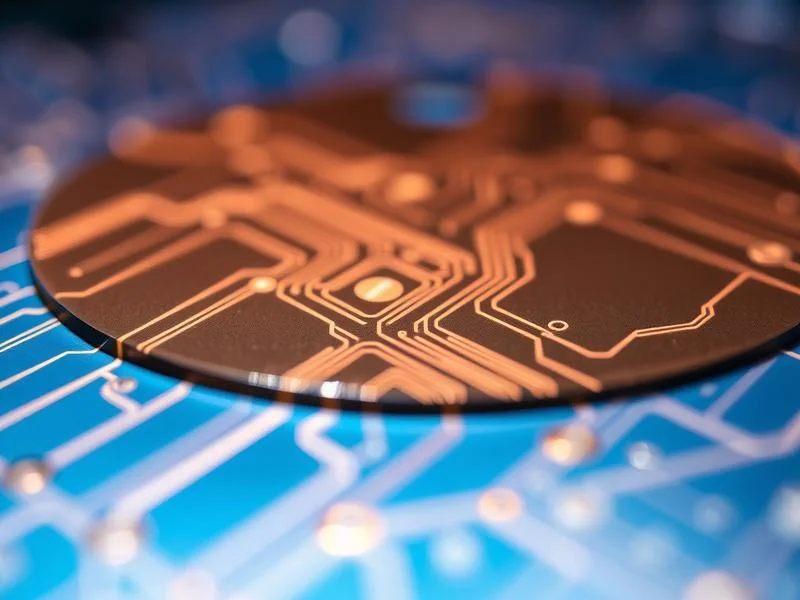
TSMC is developing an advanced chip-packaging technology internally referred to as “EMIB Like,” working with Taiwan’s Kinsus Interconnect Technology, according to a report from The Information published July 31. The goal: replicate what Intel’s Embedded Multi-die Interconnect Bridge does — using silicon bridges to connect multiple chip components into larger, more efficient processors at lower manufacturing cost — without licensing it from Intel.
EMIB has been one of Intel’s genuine competitive advantages in a foundry business where it otherwise trails TSMC badly on process node leadership. It lets Intel Foundry stitch together heterogeneous chiplets — logic, memory, I/O — into a single package more cheaply than the alternatives, which matters enormously as AI chips get built from more and more discrete dies rather than a single monolithic slab of silicon. If TSMC ships a working equivalent, one of the few remaining reasons for a customer to pick Intel Foundry over TSMC gets weaker.
The report lands alongside a separate and stranger data point: Nvidia is evaluating Intel’s actual EMIB packaging for a future processor. That’s notable regardless of what TSMC builds — Nvidia has manufactured almost exclusively at TSMC for its GPU lines, and any move toward using Intel packaging technology, even just for evaluation, signals Nvidia hedging its packaging supply chain rather than treating TSMC as a single point of failure.
TSMC currently handles advanced AI chip packaging through CoWoS (Chip-on-Wafer-on-Substrate), used by both Nvidia and AMD, and announced in April a 14-reticle CoWoS package due in 2028. An EMIB-style option would sit alongside CoWoS rather than replace it — a different packaging approach suited to different chip architectures, giving TSMC customers another route to multi-die designs without leaving the TSMC ecosystem.
Markets reacted to the report by bidding up both companies: Intel gained 4.62% and TSMC 3.69% in Friday pre-market trading. That’s an unusual pairing — normally packaging-technology competition would be read as zero-sum between the two — and suggests investors are pricing this as expanding the overall AI-chip packaging market rather than TSMC simply taking share from Intel.
Neither company has confirmed a timeline. The report is sourced to The Information, not an official TSMC or Intel disclosure, so treat the “EMIB Like” branding and development details as still fluid until either company speaks on the record.