Qualcomm Eyes $10 Billion Tenstorrent Buy to Challenge Nvidia With RISC-V AI Chips
Qualcomm is in advanced negotiations to acquire Tenstorrent, Jim Keller's RISC-V AI chip startup, for between $8 and $10 billion. The deal would give Qualcomm its most credible shot yet at the AI data center market Nvidia currently dominates.
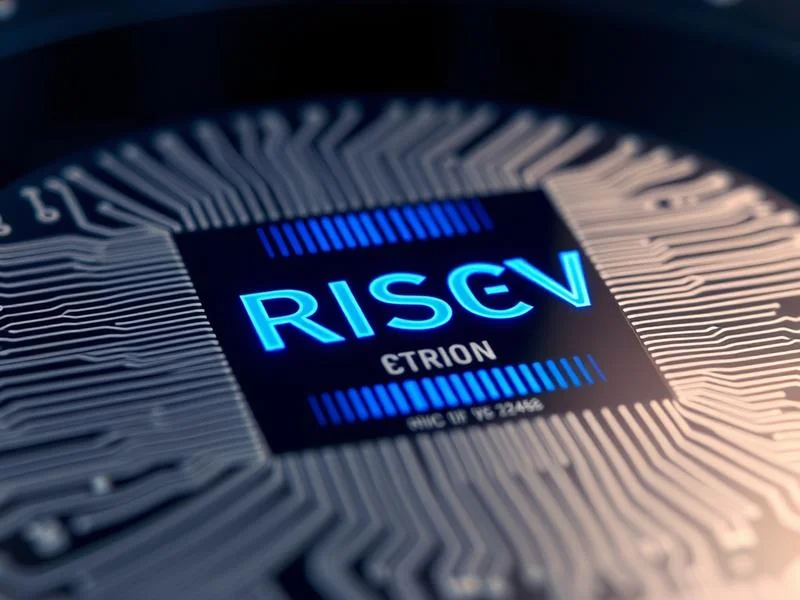
Qualcomm is in advanced negotiations to acquire Tenstorrent — the RISC-V AI chip startup founded by legendary chip designer Jim Keller — for between $8 and $10 billion. The deal was reported by The Information on June 15 and confirmed by Reuters the following day. Neither company has commented.
The strategic ambition is clear: Qualcomm wants into the AI inference market, and Tenstorrent is one of the few credible non-Nvidia, non-AMD options available to buy.
The valuation jump
Tenstorrent was valued at $2.6 billion in its December 2024 Series D. An $8-10 billion acquisition would represent a 3-4x markup in eighteen months — steep, but reflective of how scarce credible alternatives to Nvidia’s CUDA ecosystem have become. The AI inference buildout at AWS, Google, and Microsoft has created massive demand for custom silicon. Tenstorrent has both the hardware and the software stack to serve it.
What Qualcomm is actually buying
Tenstorrent’s Galaxy Blackhole platform is its flagship product: 32 AI accelerators packed into a single 6U enclosure, each with 768 RISC-V cores. The RISC-V instruction set is open and royalty-free — unlike ARM’s licensed architecture — which means anyone can build hardware around it without negotiating chip design rights.
The harder-to-replicate asset is Jim Keller’s compiler technology. RISC-V chips are only useful if software can target them efficiently. Tenstorrent has built tooling that makes its silicon programmable without requiring customers to rewrite their ML pipelines from scratch. That software layer is what separates Tenstorrent from dozens of RISC-V hardware experiments that never shipped at scale.
Qualcomm’s track record
Qualcomm’s AI data center push has been uneven. It acquired Alphawave Semi for high-speed interconnect technology, and later picked up Arduino’s open-source hardware ecosystem. Neither positioned it meaningfully against Nvidia in the inference market where real AI compute spending is concentrated. Tenstorrent would be a different magnitude of bet.
What this means for the chip market
The semiconductor industry is splitting in two. On one side: Nvidia’s CUDA moat, which commands an estimated 80%+ of AI training compute and a growing share of inference. On the other: an emerging RISC-V ecosystem that promises lower costs and vendor independence, but needs a major company to back it at scale.
Qualcomm would become that company if the deal closes. With $40+ billion in annual revenue and global manufacturing relationships at TSMC and Samsung, Qualcomm could take Tenstorrent’s architecture from startup scale to data center standard.
Talks of this size typically take several months to close, and negotiations could still fail. But if they succeed, this is the most significant challenge to Nvidia’s AI hardware dominance since AMD’s MI-series GPUs entered serious contention.