OpenAI's First Hardware Product Is a Screenless AI Speaker, Slipping to 2027
OpenAI's Jony Ive-designed device is a portable, camera-equipped speaker meant to feel like a physical ChatGPT companion. Full commercial release has slipped from 2026 to 2027.
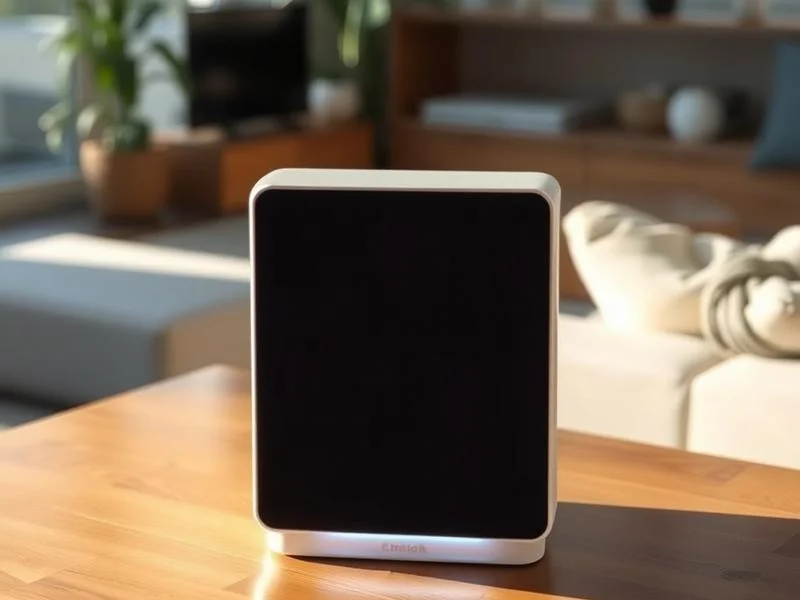
OpenAI’s first consumer hardware product is a screenless, portable smart speaker with a camera and environmental sensors, designed to double as an always-present ChatGPT companion rather than a smart-home gadget with a chat interface bolted on.
The device carries a rechargeable battery for room-to-room use, mechanical elements that move on their own to create a sense of presence, and full ChatGPT Voice Mode for conversation, smart-home control, media playback, and messaging. Design leadership sits with Jony Ive and his studio LoveFrom, following OpenAI’s $6.5 billion acquisition of Ive’s hardware startup io Products in May 2025. The engineering team is stacked with former Apple iPhone and Mac veterans — OpenAI is explicitly building an Apple-caliber hardware org from the outside in.
It’s one of roughly five hardware products OpenAI has in development, and the original 2026 launch target has already slipped to 2027. OpenAI chief global affairs officer Chris Lehane told Axios the company remains “on track” to unveil the device in the second half of 2026 — unveil, not ship. The distinction matters: a reveal event buys OpenAI a narrative win without committing to supply chain and manufacturing timelines it can’t yet guarantee.
Two things complicate the runway. First, this is genuinely hard hardware — a device with autonomous moving parts, onboard camera perception, and battery life good enough for room-to-room portability is a harder engineering problem than a static smart speaker. Second, Apple filed a federal lawsuit against OpenAI on July 10, alleging former Apple employees carried confidential hardware designs and proprietary components into their new roles. That litigation adds legal uncertainty on top of the technical lift, right as OpenAI needs those ex-Apple engineers executing cleanly.
OpenAI’s own framing — “a computer built for AI to help make busy people more productive” that learns preferences and anticipates needs from personal data like email — signals ambition beyond a smart speaker category. It’s a bid to own the ambient-AI hardware layer before Google, Meta, or Amazon lock in their own version. Whether that bid survives a year-plus of slipped timelines and active litigation is the real story to watch through 2027.