Framework's Next-Gen Modular Laptops Are Official — AMD Ryzen AI 400, Linux-First Engineering, New Configurations
Framework Computer held its 'Next Gen' live event today, unveiling AMD Ryzen AI 400 mainboards and a formal Linux-first support posture across Ubuntu, Fedora, Arch, CachyOS, and Bazzite. The upgrade slots into existing Framework 13 and 16 chassis.
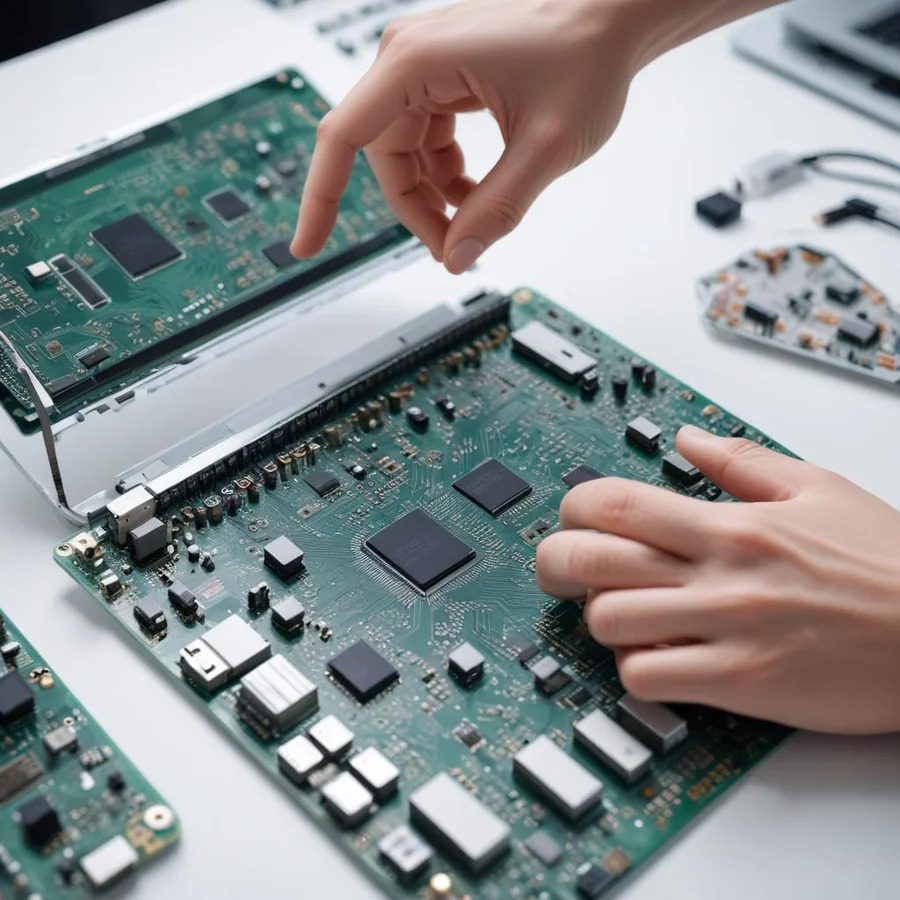
Framework held its “Next Gen” product launch event today at 10:30 AM PT, unveiling the most significant update to its modular laptop lineup since the company launched in 2021. The headlining upgrade is the AMD Ryzen AI 400 mainboard — the same chip family AMD announced at CES 2026 — paired with the most explicit Linux-first engineering posture any consumer PC maker has publicly committed to.
The architecture is Framework’s defining bet: laptops designed to be repaired, upgraded, and reconfigured by the owner. The Ryzen AI 400 mainboard slots into existing Framework 13 and 16 chassis, meaning customers who bought a Framework in 2023 or 2024 can swap in a new CPU and RAM without buying a new machine. That upgrade path is the core pitch, and it holds.
The Linux commitment goes further than previous cycles. Framework named Ubuntu, Fedora, Arch, CachyOS, and Bazzite as explicitly supported distributions — not just “Linux-compatible” in a footnote, but tested, validated, and driver-complete out of the box. The company’s internal QA process now treats Linux as a tier-one target alongside Windows. No other consumer laptop maker has said that on a product stage.
Ryzen AI 400 brings a substantially improved NPU compared to the previous generation. Exact TOPS figures weren’t published at the event, but Framework confirmed compatibility with AMD’s full Ryzen AI software stack — relevant for developers running local inference workloads, which have moved from novelty to daily tooling in the past year.
Pre-orders opened immediately following the event through Framework’s website. The Ryzen AI 400 mainboard is available as a standalone upgrade module and as part of complete new configurations. Customers who had held off on orders per the company’s pre-event recommendation could start placing them right after the stream ended.
Framework has shipped over 300,000 units and built arguably the most engaged community in personal computing. The people buying these laptops are developers, privacy-focused power users, and Linux enthusiasts — exactly the audience that is currently most unhappy with AI-in-every-corner, forced-telemetry Windows builds.
The broader signal is harder to ignore: one of the fastest-growing laptop makers on earth just put Linux on the same engineering tier as Windows. That’s a statement about where the market is going, not just where Framework wants to sell. Every OEM’s product team is watching.
Related reading
- Hardware AMD EPYC Venice (Zen 6, 256 Cores) Enters Volume Production on TSMC 2nm — First HPC CPU at This Node
- Hardware AMD EPYC Venice Becomes First HPC Silicon on TSMC N2 — Zen 6 at 2nm With Arizona Production Confirmed
- Hardware Intel's Xeon 7 'Diamond Rapids' Slips to Mid-2027 — AMD's EPYC Venice Gets an Uncontested Year in Data Centers