Apple Tests Four Smart Glasses Designs in Premium Acetate as AI Chief John Giannandrea Exits
Bloomberg reports Apple is evaluating four frame styles made from high-end acetate, targeting a late 2026 or early 2027 launch. The news coincides with the reported departure of AI chief John Giannandrea.
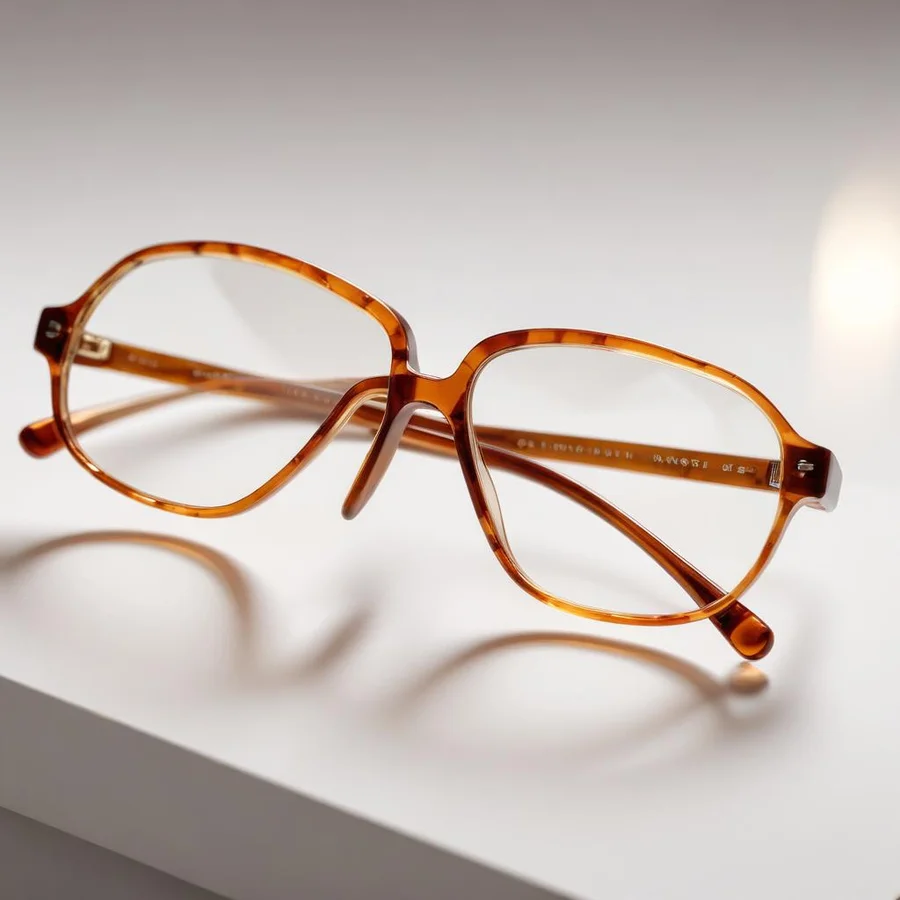
Apple is actively testing four smart glasses frame designs made from premium acetate, targeting a late 2026 or early 2027 launch, according to a Bloomberg report from April 12 picked up widely on April 13. The news arrives alongside a separate Bloomberg report that John Giannandrea, Apple’s head of AI and machine learning since 2018, is departing the company.
The four designs
Apple’s prototyping includes two rectangular styles — one large, one slim (reportedly similar to CEO Tim Cook’s own glasses) — and two oval styles in large and small. The frames are acetate rather than standard plastic, a deliberate material choice that positions the device closer to fashion eyewear than the utilitarian aesthetic of Meta’s Ray-Ban smart glasses.
Color options in testing include black, ocean blue, and light brown, with “many” variations planned. Front cameras are arranged in an oval pattern with surrounding indicator lights.
What Apple’s smart glasses will do
The current design brief is AI assistant first, augmented reality second. These are not spatial computing glasses — Apple has Apple Vision Pro for that. The glasses are aimed at the everyday carry scenario: ambient AI awareness, hands-free queries, and contextual information without pulling out a phone. Think on-device processing of audio and visual context, fed to Siri with whatever AI upgrades the September 2026 software cycle brings.
Battery life and thermal constraints at glasses-level form factor are the engineering problems Apple hasn’t publicly solved. Meta handles this by offloading compute to a phone over Bluetooth. Apple’s approach may be similar, at least initially.
The Giannandrea variable
Giannandrea’s reported departure is the harder story to read. He joined from Google in 2018 specifically to lead machine learning, Siri, and AI strategy — arriving at the exact moment Apple should have been accelerating its AI roadmap. The period since has been marked by Siri falling measurably behind Google Assistant, Gemini, and ChatGPT. The Siri-Gemini integration that reportedly delayed four Apple product releases is the most concrete symptom of the strategy gap.
Whether Giannandrea’s exit is a clean succession plan or an acknowledgment that the current approach isn’t working is unknown. Apple is reportedly replacing him with a restructured AI organization reporting more directly to CEO Tim Cook and software chief Craig Federighi.
Why this moment
Apple entering the smart glasses market confirms the product category is real, not a niche experiment. Meta’s Ray-Ban smart glasses have sold millions of units, established a price point and use-case pattern, and validated consumer appetite. Apple brings premium materials, tight hardware-software integration, and a privacy narrative that could differentiate significantly from Meta’s data-hungry positioning.
The late 2026 / early 2027 target also places the glasses launch inside Apple’s WWDC 2026 software preview window — expect whatever AI capabilities ship in iOS 20 and macOS 16 to be designed with glasses as a native platform.