Amazon's Health AI Is Now Open to Every U.S. Customer — No Prime, No One Medical Required
Amazon has fully opened its Health AI assistant to all U.S. customers after a phased rollout that began in January. Built on Amazon Bedrock and One Medical's clinical infrastructure, the agent can interpret lab results, manage prescriptions, book appointments, and connect users to a doctor via direct message — for free with Prime.
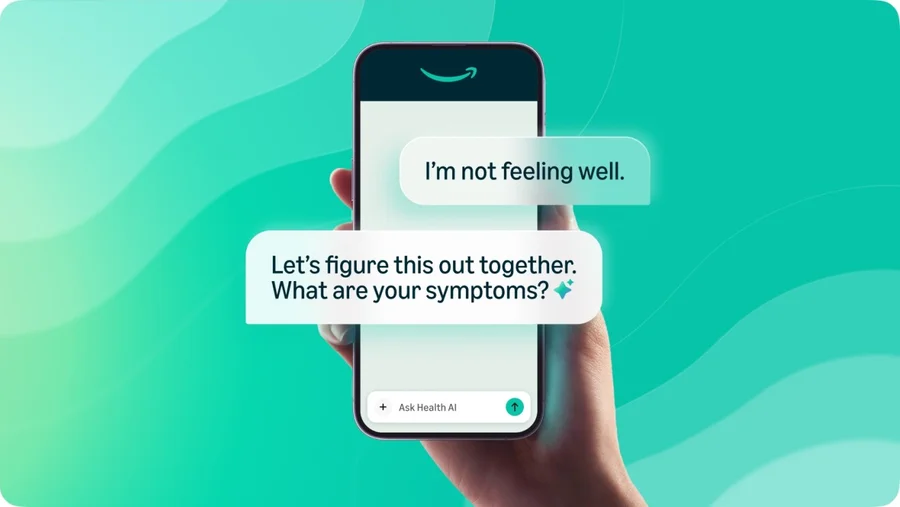
Amazon’s Health AI assistant is now available to all U.S. customers. The product launched in January 2026 inside the One Medical app, expanded to Amazon’s website and main app on March 10, and has now removed the final access gate — Prime membership is no longer required to use it. Any American with an Amazon account can ask it health questions.
That is 200 million people in the same distribution channel.
The system is built on Amazon Bedrock and runs on top of One Medical’s clinical infrastructure, the primary care network Amazon acquired for $3.9 billion in 2023. Health AI handles two categories of work: general health questions from anyone who consents to use it, and personalized clinical guidance for users who share their medical records via Amazon’s Health Information Exchange.
The personalized tier is the more significant product. Users who connect their health data can ask Health AI to interpret lab results, explain diagnoses, cross-reference their medication list for interactions, and manage prescription renewals — actions that typically require a scheduled appointment or at minimum a phone call to a nurse line. For Prime members, the agent also unlocks five free direct-message care consultations per year with a licensed One Medical clinician for over 30 conditions, including UTIs, allergies, skin care, and erectile dysfunction.
The broader health tech context: Amazon has been building toward this for five years, through the acquisition of PillPack in 2018, the construction of Amazon Pharmacy, and the One Medical deal. Health AI is the consumer-facing integration layer that connects those pieces. It is not a standalone product — it is the interface for an end-to-end healthcare workflow that Amazon now owns from diagnosis to prescription delivery.
The competition is real. CVS has its own AI assistant in MinuteClinic. Walmart launched a health AI product earlier this year, then shut its clinic network when the economics didn’t work. Amazon has the advantage of a fulfilled pharmacy, a delivery infrastructure, and a primary care network already at scale.
What the product cannot yet do is replace a doctor. Health AI is explicit in its disclosures that it does not provide diagnoses. The agentic capabilities — booking, prescribing, lab interpretation — are assistive, not autonomous. A clinician is still in the loop for anything that requires a prescription or a formal diagnosis.
The policy environment is favorable. The current U.S. administration has signaled it wants fewer barriers to healthcare AI. Amazon is moving fast in a window it rightly reads as open.