Tesla Tapes Out AI5 Chip — Nearly Two Years Late, Volume Production Not Until Mid-2027
Elon Musk confirmed that Tesla completed the AI5 chip tape-out on April 15. The chip delivers roughly 5x the compute of Tesla's current dual AI4 configuration, but production vehicles won't carry it until at least mid-2027.
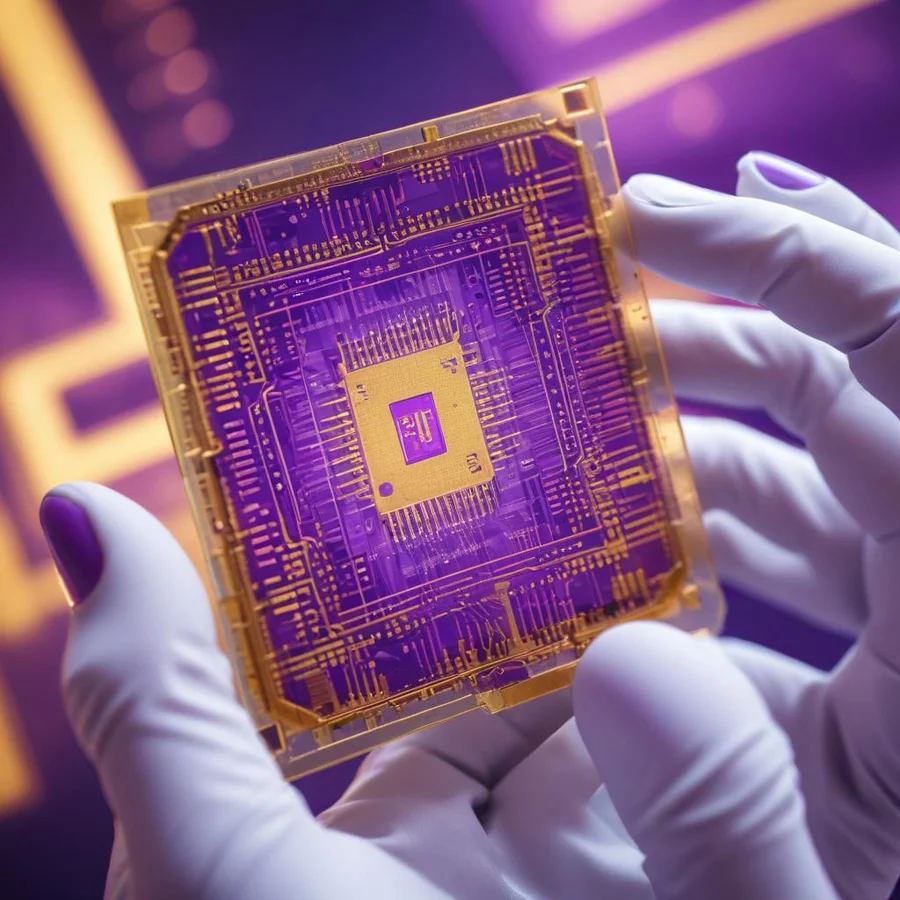
Tesla completed the tape-out of its AI5 self-driving chip on April 15, 2026. Elon Musk confirmed the milestone on X — while also noting that the chip is nearly two years behind its original timeline and that volume production vehicles running AI5 won’t exist until at least mid-2027.
A tape-out is the moment a chip design is frozen and sent to the fab for the first silicon to be manufactured. It’s a significant engineering milestone, but it’s the beginning of a long path to vehicles on the road, not the end.
What AI5 Actually Delivers
A single AI5 SoC carries approximately 5x the useful compute of Tesla’s current dual-AI4 configuration. The current HW4 platform ships with two AI4 chips; AI5 alone surpasses both combined by a factor of five. That kind of jump enables more complex real-time inference for full self-driving, richer sensor fusion, and the compute headroom required for the humanoid robotics work Tesla is pursuing with Optimus.
Musk also outlined the following generation: AI6 and AI6.5 are in planning stages, with performance targets significantly beyond AI5.
Why Production Is Still 14+ Months Away
Tesla has said publicly that it needs “several hundred thousand completed AI5 boards line side” before it can switch production lines. Getting from first silicon to that scale requires multiple rounds of validation, yield improvement, board integration testing, and regulatory certification.
The delay from the original 2024 AI5 promise reflects both the complexity of the chip itself and the constraints of the foundry ecosystem. Tesla is manufacturing through TSMC on an advanced node, and securing guaranteed capacity for a new chip design at high volume takes time.
The Terafab Dimension
The AI5 tape-out comes three weeks after Tesla and SpaceX broke ground on Terafab — the $20–25 billion AI chip facility in Austin, Texas. Intel joined the project on April 7, contributing its 18A process node with gate-all-around transistors, backside power delivery, and 3D stacking via EMIB and Foveros.
Terafab’s stated goal is to produce more than one terawatt of AI compute per year once fully operational. The initial focus is AI5 and future generations; the facility is designed to make Tesla vertically integrated across chip design, fabrication, and vehicle production in a way no automaker has attempted.
The Competitive Context
NVIDIA, AMD, and custom silicon from Apple, Google, and Amazon all play in similar territory, but Tesla’s situation is unique: it is designing chips specifically for a consumer product it controls end to end, in vehicles that generate the training data those chips will eventually run on. That closed loop is the strategic bet.
Whether AI5 arrives in vehicles before Waymo, Zoox, and other competitors reach meaningful commercial scale remains the open question. The tape-out confirms the chip is real and the timeline is known. What matters next is whether the Terafab ramp can compress the production schedule — or whether mid-2027 slips further.