Sam Altman Steps Down from Helion Board as OpenAI Pursues Fusion Power Deal
OpenAI CEO Sam Altman is leaving the board of Helion, the fusion startup he has backed for years, as the two companies negotiate a deal for OpenAI to purchase 12.5% of Helion's power output. The arrangement would see Helion supply 5 GW by 2030 and 50 GW by 2035.
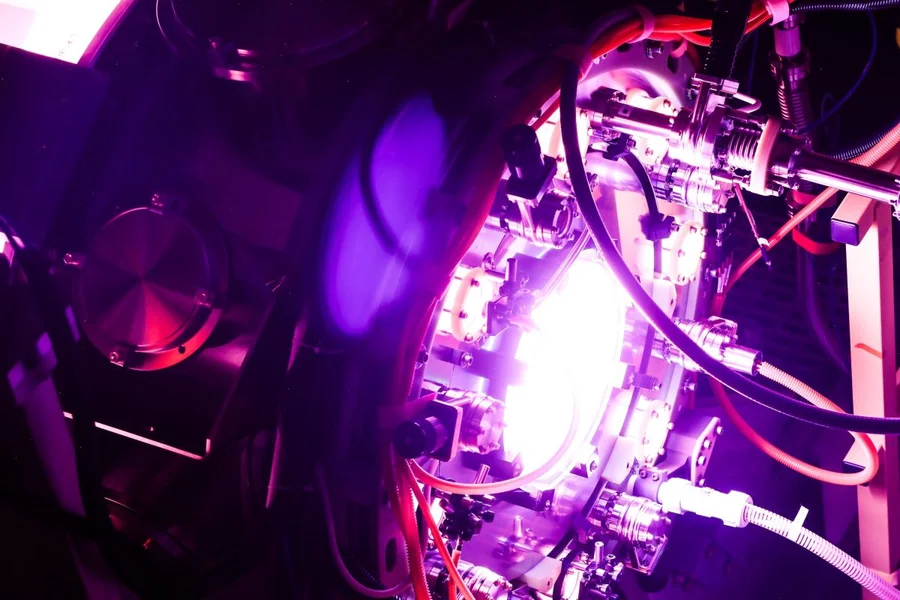
Sam Altman is stepping down as board chair of Helion, the nuclear fusion startup he has backed for over a decade, as Helion and OpenAI reportedly negotiate a power purchase agreement. The deal, reported first by Axios, would give OpenAI 12.5% of Helion’s eventual output — five gigawatts by 2030 and 50 gigawatts by 2035.
Helion’s CEO David Kirtley confirmed Altman’s departure in a statement to TechCrunch: “Sam is stepping down from Helion’s Board of Directors after more than a decade. This decision enables Helion and OpenAI to partner on future opportunities to bring zero-carbon, safe electricity to the world.” The confirmation of the board exit is a strong signal the deal is more than rumor.
The numbers are aggressive
50 gigawatts by 2035 is a number worth sitting with. Helion’s reactor design — the Polaris — is built to generate 50 megawatts of electricity each. Hitting 50 GW would require 1,000 installed reactors, meaning the company would need to go from its first commercial reactor to manufacturing at a scale that rivals the entire U.S. natural gas fleet in under a decade. The 2030 target of 5 GW requires 100 reactors.
For context: Helion raised $425 million in 2025 from Altman, Mithril, Lightspeed, and SoftBank. The company has not yet demonstrated net electricity gain from fusion, though it expects to with its Polaris machine. Commercial fusion power has been “20 years away” for 70 years. What’s different about Helion is the timeline ambition and the roster of backers willing to fund that ambition.
Why OpenAI needs this
Training large language models at GPT-5 and beyond consumes staggering amounts of electricity. OpenAI’s Stargate initiative — the joint venture with SoftBank and Oracle to build AI infrastructure in the U.S. — requires reliable, scalable power. Renewable energy contracts have variable output. Nuclear fission takes 10+ years to permit and build. Fusion, if Helion delivers on schedule, offers a path to large-scale clean electricity that doesn’t have either constraint.
Altman stepping off the Helion board removes a conflict-of-interest barrier and frees both companies to structure a commercial relationship. Microsoft signed a similar power purchase agreement with Helion in 2023 for electricity starting in 2028. OpenAI following the same pattern — while its CEO departs from the board that could complicate negotiations — makes strategic sense.
The risk
Helion is still pre-commercial. Every gigawatt projection depends on technical milestones that have not yet been achieved. The company says Polaris will demonstrate net electricity from fusion; it has not done so yet. An energy deal that requires 100 functioning reactors by 2030 is either one of the most consequential industrial bets in history, or a timeline that will need significant revision. Both scenarios are possible.
Related reading
- AI Infrastructure OpenAI Is Doubling Its Headcount to 8,000 — and Building a Data Center Army
- Big Tech Nvidia Weighs $250 Billion Guarantee So OpenAI Can Lease a 10-Gigawatt Ohio Campus
- Cloud & Infrastructure Broadcom, Apollo, and Blackstone Launch $35B Platform to Build 20 Gigawatts of AI Compute for Anthropic and OpenAI