OpenAI Closes $122 Billion Round at $852 Billion Valuation
OpenAI has completed the largest private funding round in tech history, raising $122 billion at an $852 billion post-money valuation. Amazon, Nvidia, and SoftBank led the round as the company crosses $2 billion in monthly revenue.
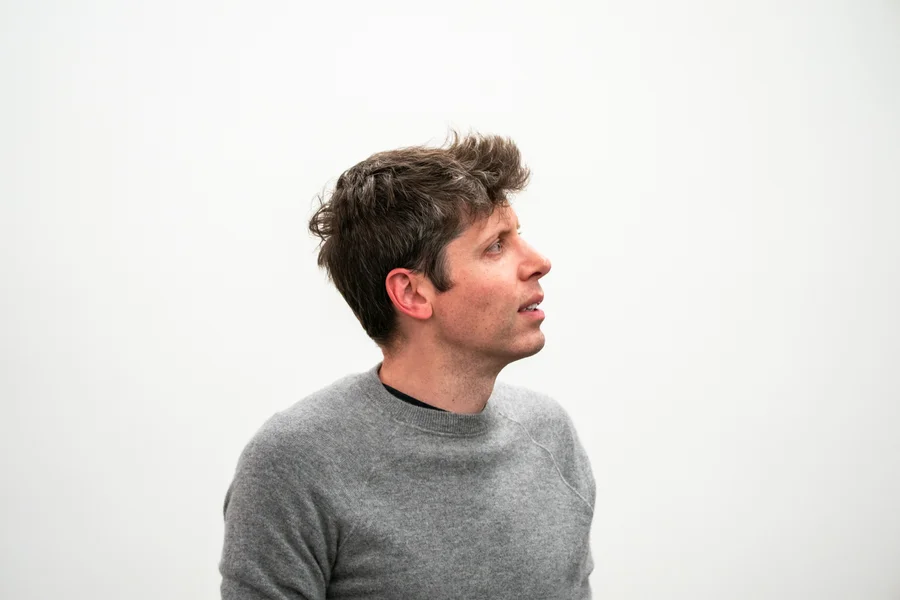
OpenAI has officially closed its $122 billion funding round at a post-money valuation of $852 billion — the largest private financing in the history of the technology industry. The round was announced March 31 and puts the company in a different tier than any other private tech firm alive today.
Amazon anchored the round with a $50 billion commitment. Nvidia and SoftBank each contributed $30 billion. Microsoft, OpenAI’s longtime partner and early backer, also participated, though its specific allocation was not disclosed. Andreessen Horowitz and D.E. Shaw joined as well. For the first time, OpenAI extended participation to retail investors through bank channels, pulling in $3 billion from individual backers — a significant structural shift that signals IPO preparation.
The timing is deliberate. OpenAI is generating $2 billion in monthly revenue, roughly $24 billion annualized, up from $13.1 billion for all of last year. ChatGPT has crossed 900 million weekly active users, with over 50 million paid subscribers. Those numbers give the company clear leverage going into what will almost certainly be a 2026 IPO.
What the money is for: AI chips, data center buildouts, and hiring. The infrastructure arms race with Google DeepMind, Anthropic, and Meta is expensive. Stargate — the $500 billion U.S. AI infrastructure partnership with SoftBank — is still in early stages and needs sustained capital injection. This round funds OpenAI’s share of that push while keeping the balance sheet healthy enough to absorb compute costs that would bankrupt most companies.
The $852 billion valuation deserves context. Apple, the world’s most valuable company, trades around $3 trillion. Microsoft sits at $2.7 trillion. OpenAI is now valued at nearly a third of Microsoft on private markets — without being public, without audited financials accessible to all, and with a business model that is still evolving. That’s either the most confident bet on AI’s future or an extraordinary risk premium baked into a single company’s story.
CEO Sam Altman framed the round as fuel for the “next phase of AI,” with the company building toward what it calls a “superapp” combining ChatGPT, productivity tools, and agentic capabilities. Whether that framing holds up after a public offering — with the scrutiny that comes with it — is a different question.
For now, OpenAI has secured a war chest no competitor can match. The gap between it and the rest of the AI field just got wider.