Meta's $1.4 Trillion Reckoning: 29 States Open the Biggest Youth-Harm Trial in Social Media History
Opening statements began August 18 in Oakland in a 29-state case alleging Meta engineered Facebook and Instagram to hook minors and illegally harvested children's data. Zuckerberg and Mosseri are expected to testify.
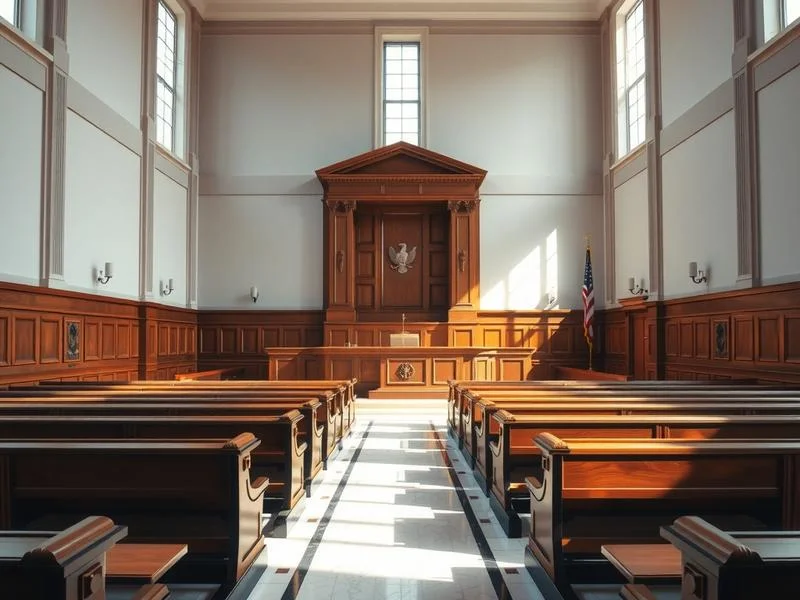
Twenty-nine states took Meta to trial on August 18, and the number hanging over the courtroom is $1.4 trillion — Meta’s own estimate of its worst-case exposure. Opening statements began in federal court in Oakland, California, in a case that could force structural changes to Facebook and Instagram, not just a fine.
California, Colorado, Kentucky, and New Jersey are leading the bipartisan coalition. Jury selection began August 12; the jury’s verdict will be advisory, with the judge determining Meta’s actual liability and remedies.
The allegations
The states’ case rests on three claims. First, that Meta deliberately engineered Facebook and Instagram to maximize engagement among minors — infinite scroll, algorithmic feeds, notification loops — while knowing internally what that design did to teenage mental health. Second, that the company misrepresented the safety of its products to parents and the public. Third, that Meta illegally collected and used children’s personal data in violation of federal law.
New Jersey Attorney General Jennifer Davenport put the states’ framing in one line: “Our kids are not data points to be monetized.”
The remedies sought go beyond money. The states want stricter age restrictions, algorithm modifications, and the removal of features like infinite scrolling — court-ordered product changes to two of the most-used apps on the planet.
Meta’s defense
Meta rejects the allegations outright, pointing to what it calls a “longstanding commitment to supporting young people” and years of collaboration with parents, experts, and law enforcement. The company has shipped teen accounts, parental supervision tools, and content limits — though critics note most arrived after the states filed suit in 2023.
Mark Zuckerberg and Instagram head Adam Mosseri are both expected to testify. Their internal emails and research documents — some already public from earlier whistleblower disclosures — will likely matter more than their prepared answers.
Why this trial is different
Social platforms have absorbed fines before and treated them as a cost of doing business. This case is built to make that impossible: a liability finding could produce injunctive relief that dictates how Meta designs its products for minors. And the timing is brutal — a jury in a parallel case already found this year that Meta and YouTube built addictive products that harmed young people.
For every company building consumer software, the precedent question is the real story. If engagement mechanics aimed at minors become legally actionable design defects, the entire attention economy inherits Meta’s problem.