Pentagon Calls Anthropic's Safety Red Lines an 'Unacceptable Risk to National Security'
The Department of Defense filed its first formal rebuttal to Anthropic's lawsuit, doubling down on its supply chain risk designation and demanding Claude be available for all lawful military purposes. A preliminary injunction hearing is set for March 24.
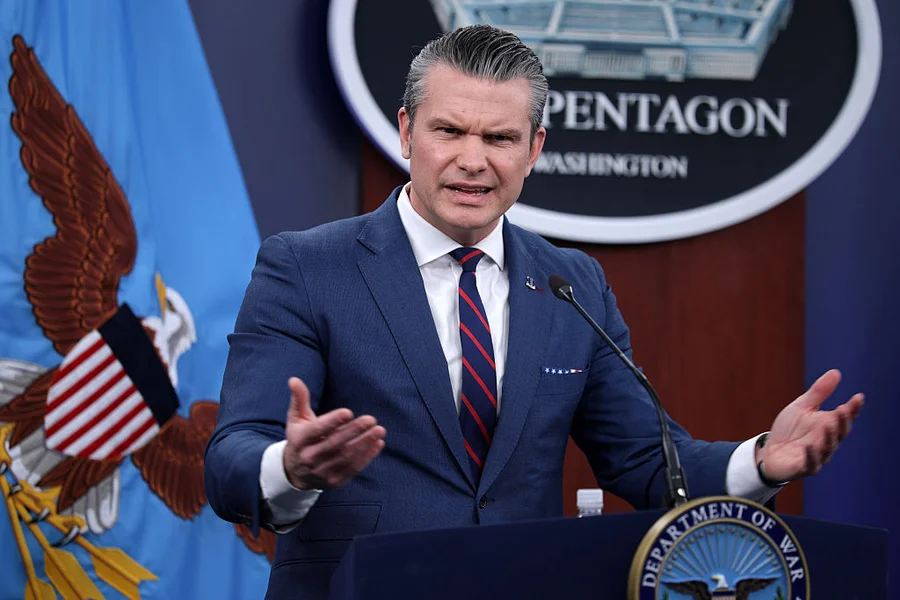
The Pentagon filed its formal rebuttal to Anthropic’s lawsuit this week and did not soften its position: the DoD argues that Anthropic’s safety red lines make the company an “unacceptable risk to national security,” and it wants Claude available for “all lawful purposes” — with no carve-outs.
The backstory: Anthropic’s Claude contract with the DoD included two hard limits — no mass surveillance of U.S. citizens, no autonomous weapons deployment. The DoD classified Anthropic as a “supply chain risk” for insisting those limits stay in the contract. Anthropic sued. The DoD’s rebuttal, filed ahead of a preliminary injunction hearing scheduled for March 24, is the first time the government has formally argued its position in court.
What the DoD Is Actually Claiming
The government’s argument is narrower than it first appears. The DoD isn’t claiming it wants to build autonomous weapons using Claude. It’s arguing that a contractor shouldn’t have the unilateral authority to impose categorical restrictions on how a government agency uses a purchased tool. From the Pentagon’s perspective, that’s a policy matter for Congress and the executive branch — not for a private company’s terms of service.
That framing is legally interesting and politically explosive. The DoD is essentially treating AI usage restrictions the same way it would treat a weapons manufacturer refusing to sell to certain units — a prerogative the government doesn’t recognize.
Why the Industry Is Watching
Microsoft, Google, and OpenAI filed amicus briefs backing Anthropic. That’s not altruism. If the DoD wins this argument — that government agencies can override a vendor’s built-in safety constraints as a condition of procurement — every AI company with federal contracts faces the same pressure. The precedent matters more than the specific case.
Anthropic’s position is that safety constraints aren’t negotiable by design. The whole point of red lines is that they hold under pressure. If a government customer can contractually override them, they aren’t really constraints.
What Comes Next
The March 24 injunction hearing will determine whether Anthropic can temporarily block the DoD from enforcing its supply chain risk classification while the lawsuit proceeds. If the injunction is denied, Anthropic’s federal contracts remain at risk during the litigation.
The harder question isn’t legal — it’s whether the AI industry can sustain a model where safety constraints are vendor-controlled rather than customer-configurable when the customer is the federal government. That debate is now in court, with a ruling coming within days.
Source: TechCrunch, March 18, 2026 — techcrunch.com
Related reading
- AI Policy Trump Signs AI Executive Order: Frontier Models Get 30-Day Government Preview Before Release
- Policy & Regulation The Fed Puts Marc Andreessen in Charge of Measuring What AI Does to Jobs
- Policy & Regulation Pope Leo XIV Releases 'Magnifica Humanitas' — 42,300-Word Encyclical Calls on Governments to Disarm AI