Apple's New Mac mini Ships the First 2nm Chip — the M6 — Starting at $899
The redesigned Mac mini debuts the M6, Apple's first 2nm processor with a 12-core CPU and 4x the AI performance of the M4 model. Preorders open now, with units arriving September 22.
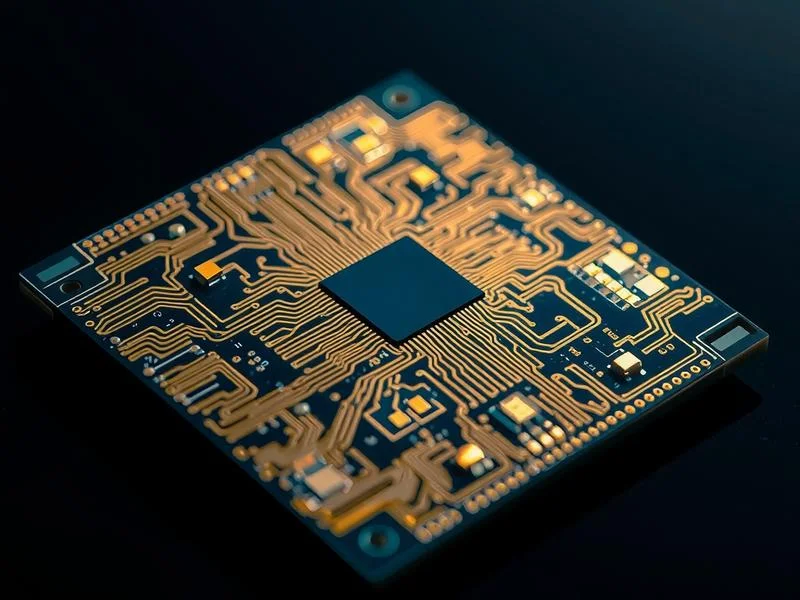
Apple announced a new Mac mini yesterday powered by the M6 — its first chip built on a 2nm process — making a $899 desktop the unlikely debut vehicle for the most advanced silicon node in any shipping consumer computer. Preorders are open now; units arrive September 22.
The M6 is a genuine architectural shift, not a routine bump. It carries a 12-core CPU — two more cores than the M4 and M5 — and is Apple’s first chip to combine all three of its CPU core types: 2 super cores, 4 performance cores, and 6 efficiency cores. Apple claims 4x the AI performance of the M4 Mac mini, with graphics and storage twice as fast. The box also picks up Thunderbolt 5 and optional 10Gb Ethernet.
Pricing starts at $899 with 16GB of unified memory and 256GB of storage — another hike after the M4 model’s $599, as Macworld notes. A step-up configuration runs the M5 Pro from $1,699, an odd but deliberate split: the newest silicon in the base model, last generation’s Pro tier above it.
The framing matters more than the spec sheet. Apple is positioning this Mac mini squarely for on-device AI workloads — the “AI performance” multiplier leads its own marketing. The strategy is coherent: while Nvidia sells the datacenter, Apple is betting that a meaningful slice of inference moves local, where its unified-memory architecture and efficiency cores are structural advantages. A 2nm chip with a beefed-up Neural Engine in an $899 box is the cheapest ticket to serious local-model performance on the market — relevant if you run Ollama, MLX, or local coding models rather than paying per token.
There’s also a supply-chain milestone buried here. Shipping 2nm at volume in September means Apple locked up TSMC’s N2 capacity ahead of every competitor — again. Qualcomm and MediaTek’s 2nm parts are expected next year; Apple will have been selling one for months by then. That lead compounds: earlier access to each node is a large part of why Apple Silicon’s performance-per-watt stays ahead.
The timing is notable too. This launch lands one week before John Ternus — the hardware chief who oversaw the Apple Silicon transition — takes over as CEO on September 1. A 2nm chip in the most affordable Mac is a fitting opening statement for a hardware-engineer CEO.
If you were waiting to build a local-AI dev box, this is the configuration to watch benchmarks for.
Sources
Related reading
- Big Tech Apple Music Will Label AI-Generated Songs — as a Third of New Uploads Are Already Fully Synthetic
- Big Tech Apple Warns Users in 110 Countries of Mercenary Spyware — For the First Time, Straight to the Lock Screen
- Big Tech Apple Posts Record $109.4B Quarter, Then Loses 6% as Tim Cook Hands the CEO Job to John Ternus